
Leaderboard
Popular Content
Showing content with the highest reputation on 06/09/21 in all areas
-

Is there a reality in the gaming world you feel resigned to accept?
Withywarlock and 2 others reacted to Patrik for a topic
"companies do what makes them earn more", if you think about how selfish they are, you'll probably stop playing, that's why you gotta accept it and move it3 points -
So, I just finished Dawnguard in Skyrim …
Withywarlock reacted to StaceyPowers for a topic
Dawnguard ended up being my favorite content in Skyrim, aside from all the PS3 bugs. A more lifelike companion, really nice quest rewards (i.e. Arvak, Auriel’s bow), some of the most beautiful locations and music in the game, and getting to learn more about the Falmer all made it worth the cost of the DLC.1 point -

Do you mind backtracking in games?
StaceyPowers reacted to The Blackangel for a topic
I revisit areas tons of times for different reasons. But if I have to turn around and go back because I missed something important that I had to have or forgot something then that is where my problem lies.1 point -
NPC Actions That Piss You Off
Reality vs Adventure reacted to The Blackangel for a topic
Yeah, they just park their knees on peoples throats for 9 minutes and listen to them scream and beg for air.1 point -
Coffee or Tea?
killamch89 reacted to The Blackangel for a topic
I never liked green tea, but black tea is where I'm at.1 point -
Is there a reality in the gaming world you feel resigned to accept?
Family sedan reacted to The Blackangel for a topic
That is mostly due to inflation and simple greed. When it came out a new NES was $150. As the American dollar drops in value year by year, the prices will continue to go up. Other countries and economies see it going for more here, and think "If they can get that much, why shouldn't we be able to?" so they in turn charge more. I remember when a soda was 25¢ in vending machines. You'll be lucky to find one that is below $2 now. And there are a lot of countries that don't even take the American dollar anymore, simply due to how worthless it has gotten. It was proposed a couple years ago that Canada, US, and Mexico adopt a currency modeled after the Euro. But was eventually decided that it would tank the economy or something. I don't remember the actual reason. Personally, I like the idea. But I don't know jack shit about economics, so I don't know if it's a good one. Or even plausible.1 point -

NPC Actions That Piss You Off
Patrik reacted to killamch89 for a topic
I know because you see the police just casually park their cars on some people they just run over - even the most corrupt police in real life aren't so savage.1 point -
Coffee or Tea?
The Blackangel reacted to killamch89 for a topic
Tea is life - Personally, I always have things like Ginger Tea. Iced tea is amazing especially when using black or green tea.1 point -
Photo Mode, A New Form of Artwork?
Family sedan reacted to Shagger for a topic
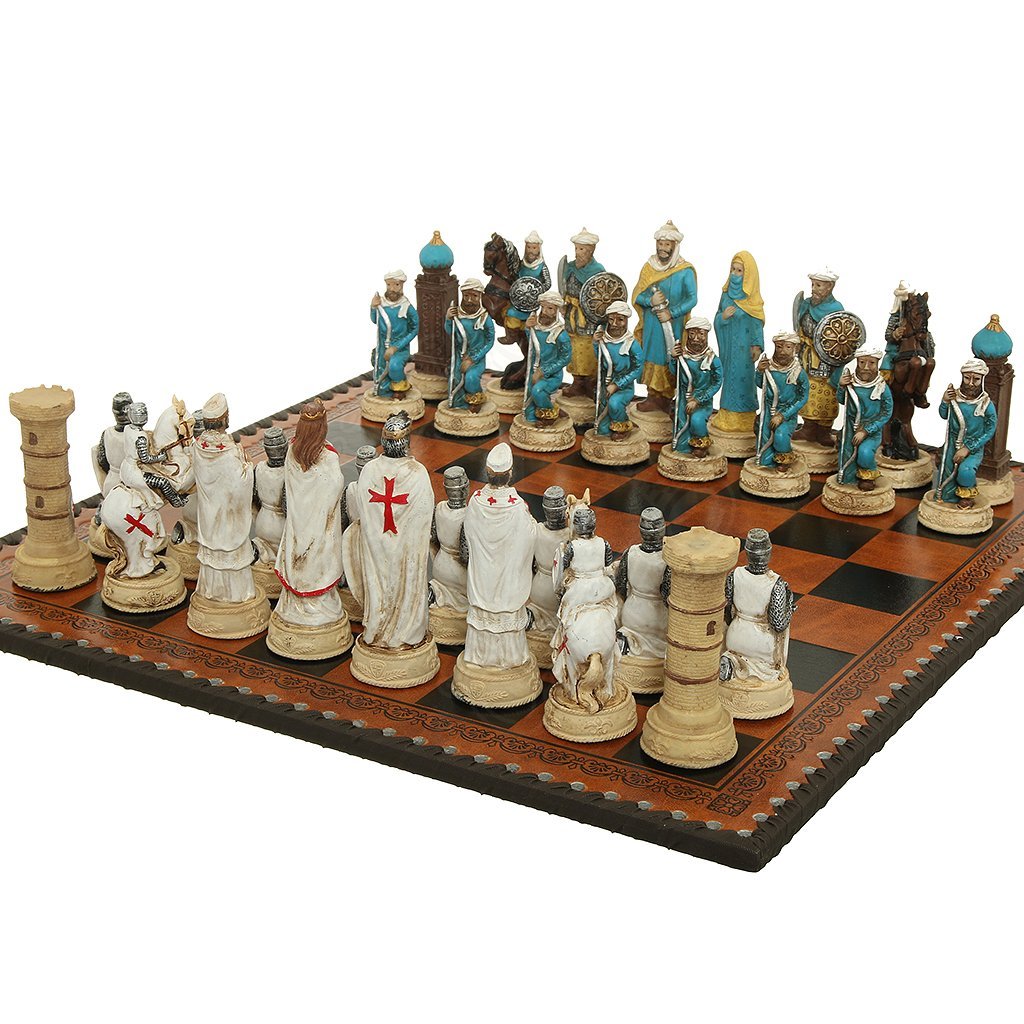
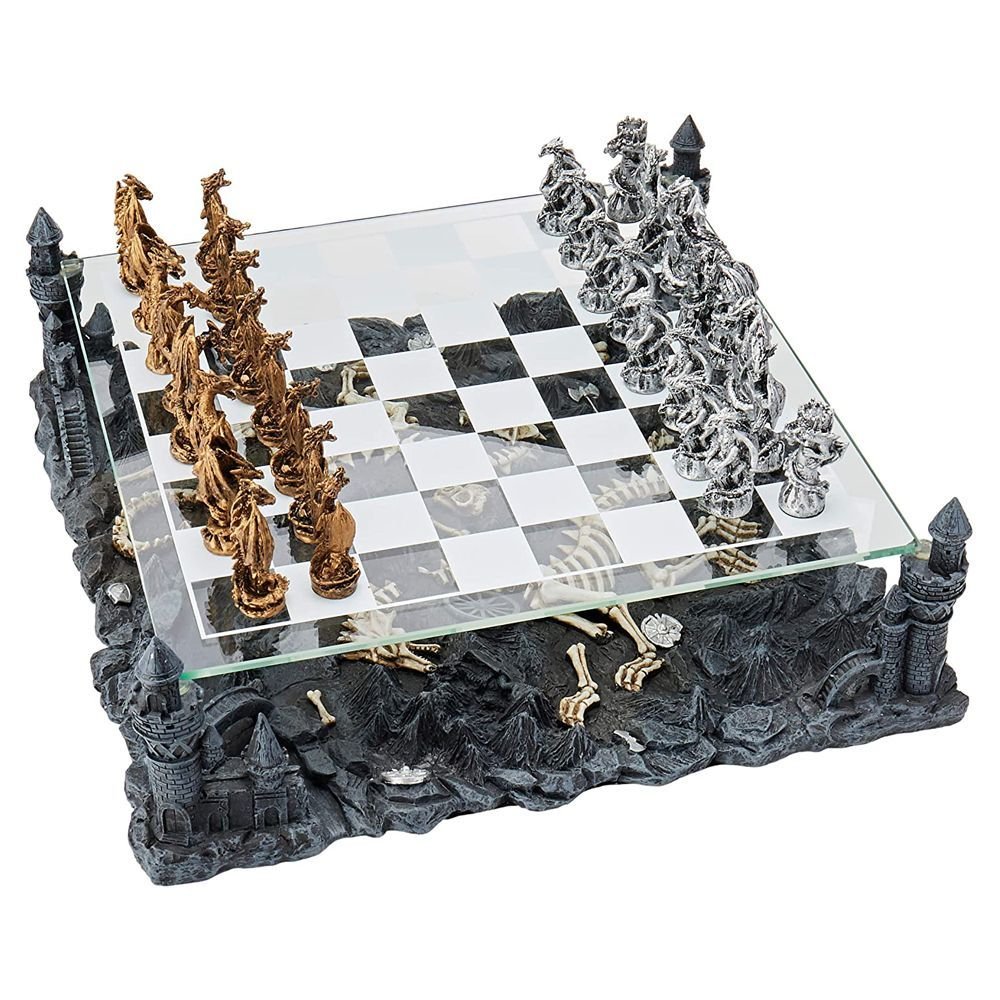
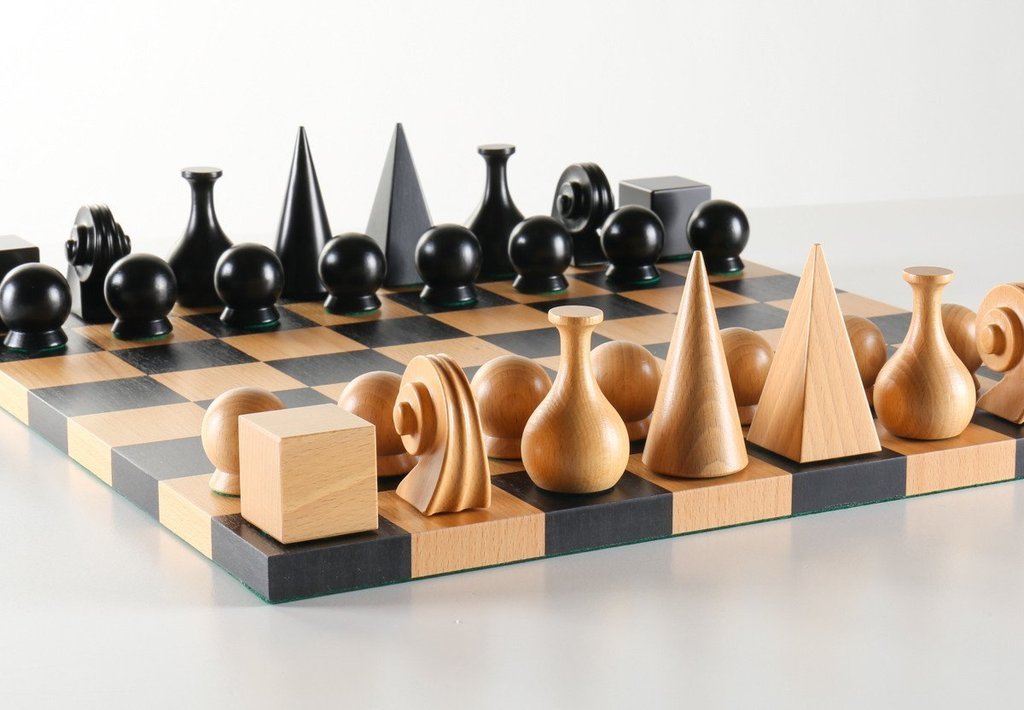
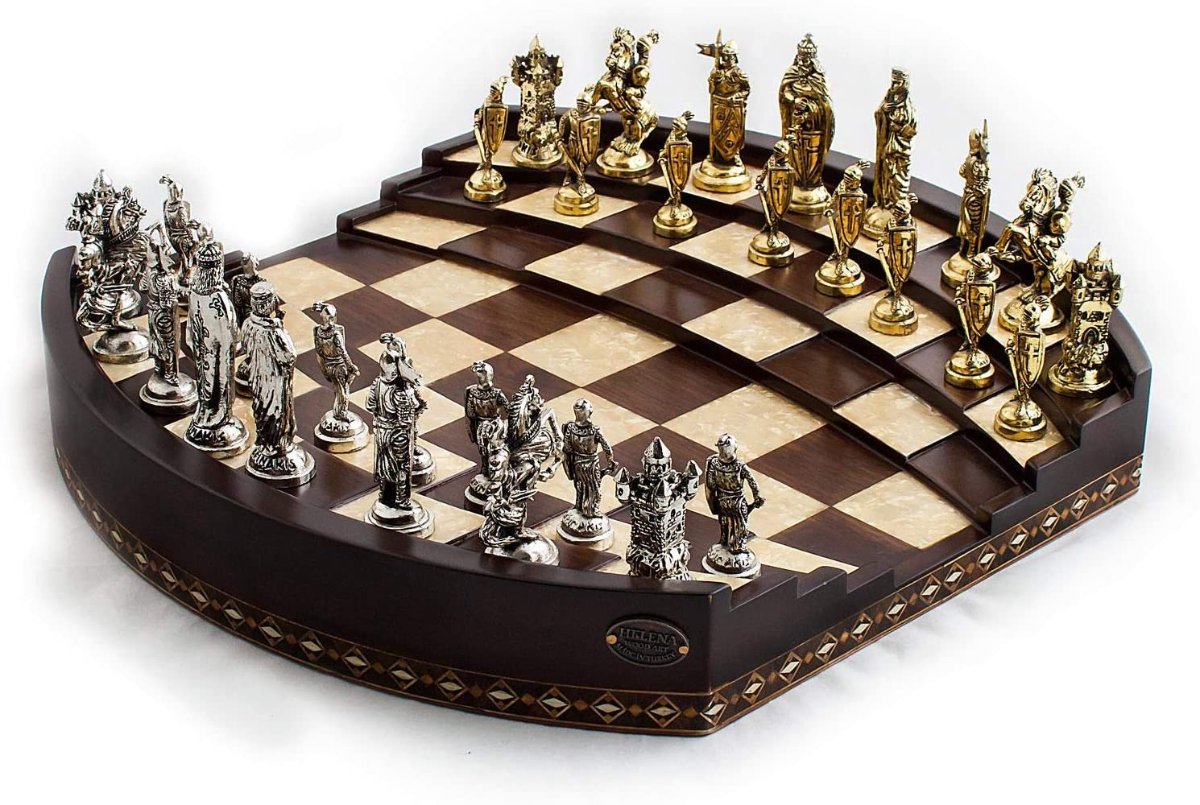
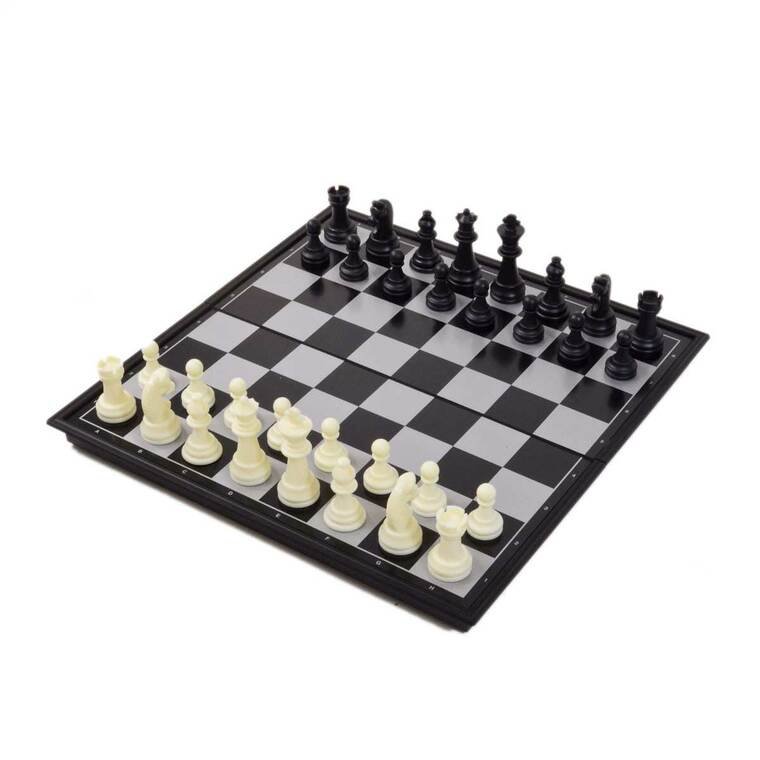
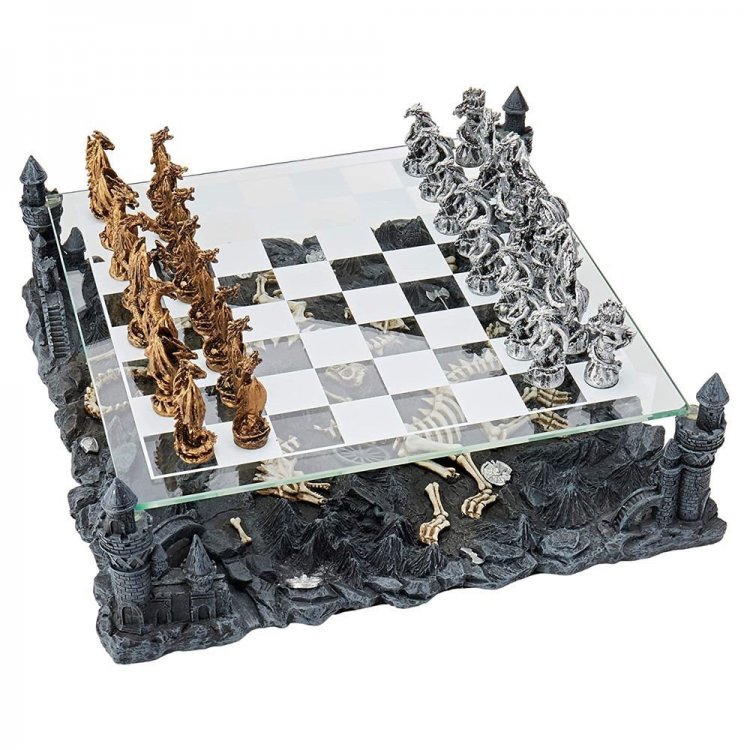
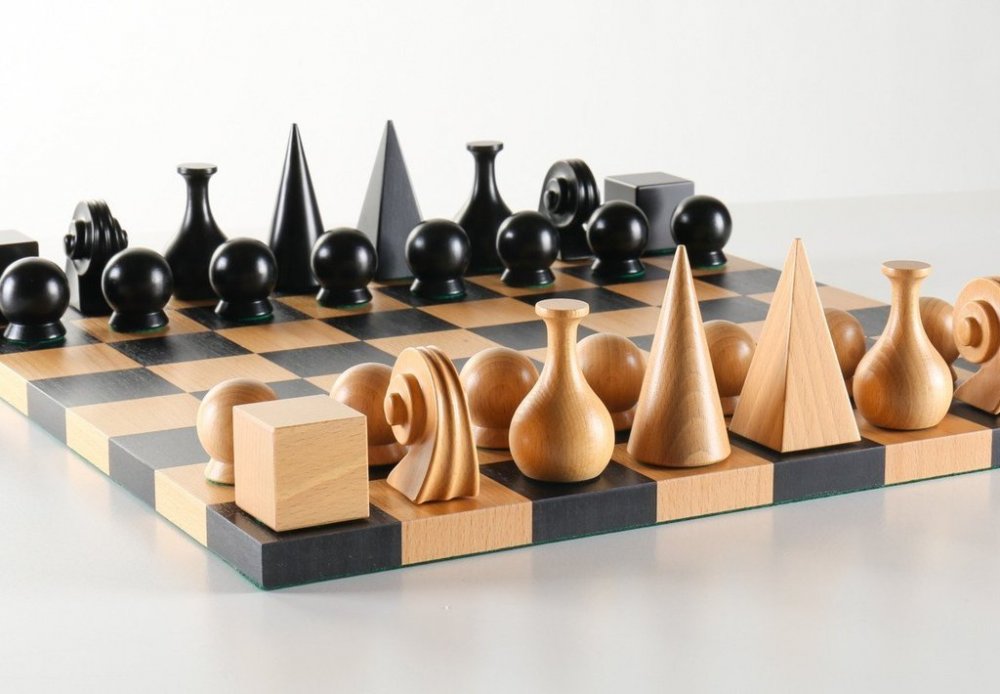
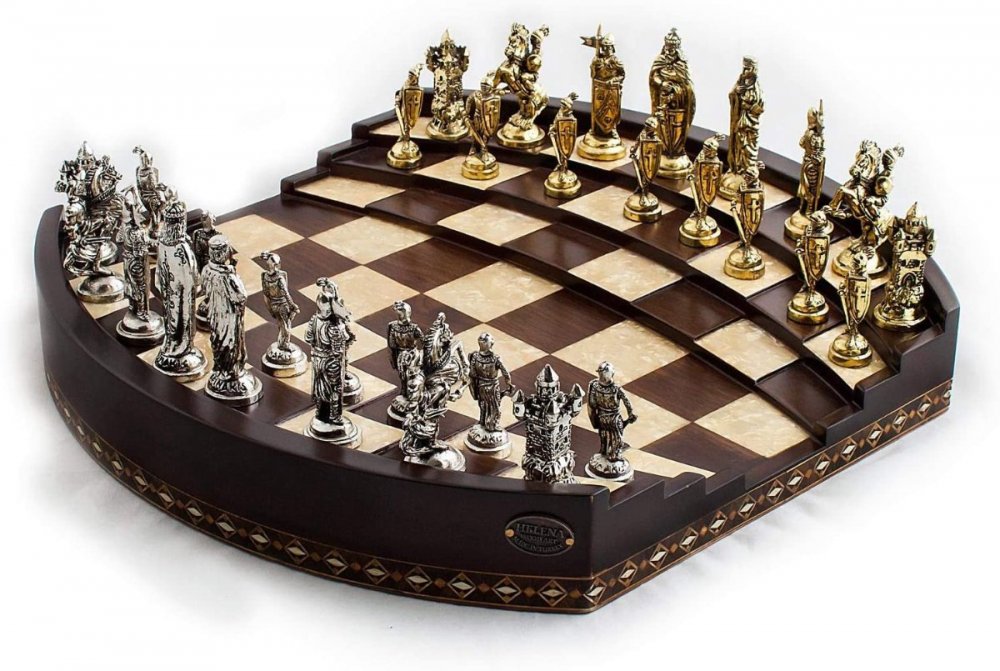
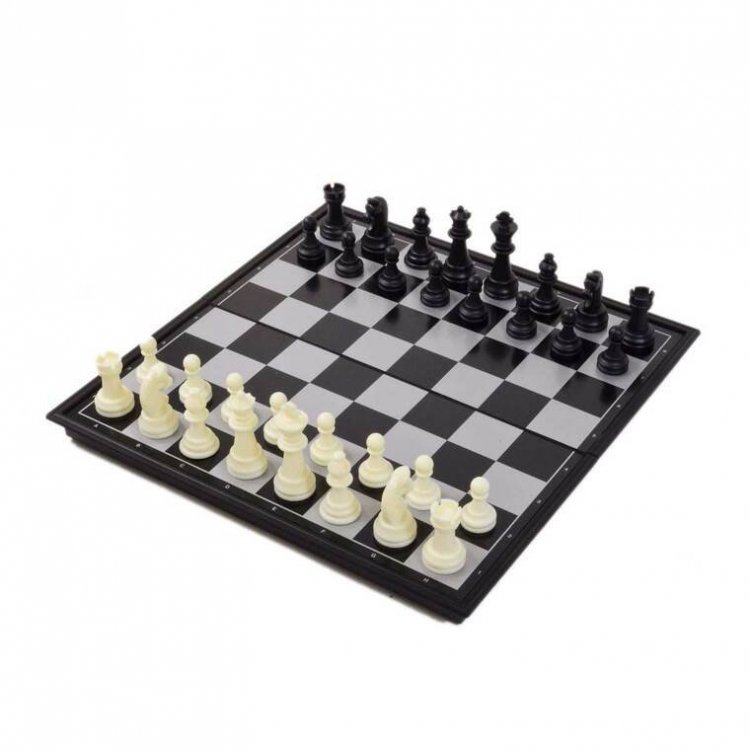
The classic forums of artistic expression are probably the easiest examples to use to explain this with. A painting or a statue has no practical purpose, purely creative. There's just vain, opulent, arbitrary things that don't do anything to help anyone. Inanimate objects that only exist to be admired, and nothing more. As soon as something has a use, it becomes something that isn't art. It's now a tool, a device, something that has a purpose beyond it's own vanity. Yes artwork can be (and some might argue needs to be) provocative. Make you think, make you feel, but that's a reaction created only by the admirer, not the object. It's not telling you to feel that way nor convince you of anything. It may have the complete opposite effect on you that the artist intended, and nobody would be able to argue. So you see, a provocation isn't something the work of art in question actually does, that's something you created yourself. Anything you do, say or even feel after admiring a work of art is still something you do on your own. It's artwork itself is still not doing anything. It has no purpose, no function, outside of it's own vanity. That's what something needs to be to be art. That's why I say a video game can't technically be a form of art because it's a challenge, a test of self. Thus, video games have purpose outside of thier own vanity. In that sense, I'd say they're more like a sport. Don't get me wrong though, just because something has a purpose and now can't be art, doesn't mean it can't be built, as least in part, with artistic merit and it can still be admired and be beautiful. Take chess, for example. A game of chess is not an art form, it's a game that tests one's strategic thinking. It's design is built not through pure creativity, but on structure, a set of rules to govern the game. That's not art, that's built to a purpose based on rules, not artistic merit. However, does chess need art to exist? Is their artistic merit in it's design? Well, one look at these chess boards and the answer is obvious; It terms of that design structure built off the rules and parameters of the game, all these chess boards are exactly the same. A game of chess is technically no different played on any of these boards, or even on a bog basic, plastic piece of shit like this. So you see, just because chess is not art, does not diminish how import art is in it's make up. Whilst the game may be technically exactly same no matter what board you play on, the creative element can enhance the experience enormously. Video games are no different. They're basic designs are structured on rules, not creativity, but the aesthetics are there, built of the creative imaginings of whoever it was that created them and can add to the experience enormously. Yes, the creative elements are more important in a video game when compared to a board game because the user interface is entirely dependant of visual design, but that's something that's built to a purpose as well as aesthetics, so it's not entirely a creative endeavour. Not to mention visual aesthetics aren't the only creative elements of a game either, there is also writing and music. So a video game is not art, but it is a test of self challenge that needs good art to reach it's full potential. I hope that clears up any confusion over my point of view.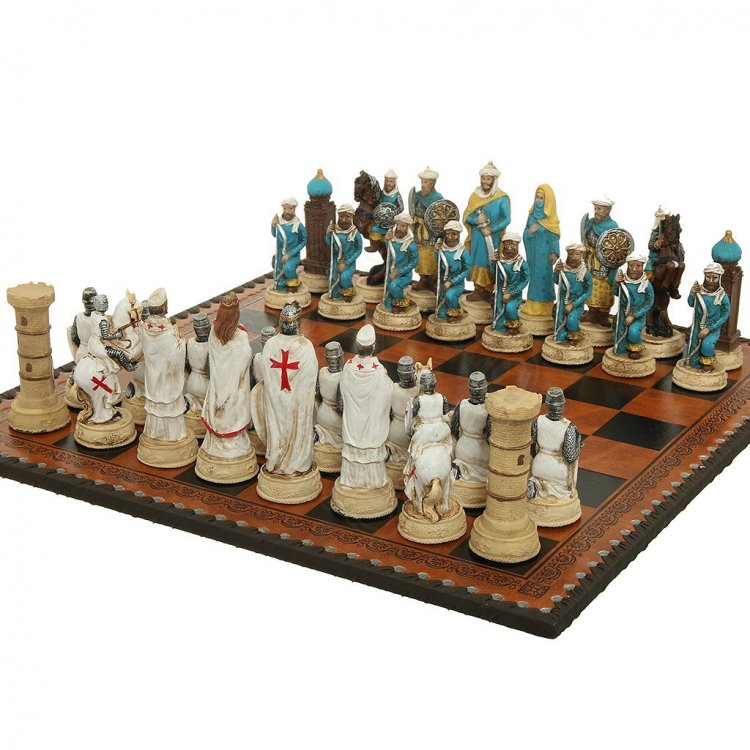
 1 point